
Our original Tea Staining blog was published in 2015, and we’ve now updated it to share new insights, practical tips and the latest information to help our Customers protect their stainless steel woven wire & mesh.
Stainless steel is known for its durability, resistance to corrosion and aesthetic appeal. However, if you’ve noticed a brown discoloration on your stainless steel surfaces, you may be wondering what went wrong. This issue, commonly known as tea staining, is a frequent concern especially in coastal or harsh environments. While it looks alarming, tea staining is usually a cosmetic problem rather than a structural one. Still, understanding its causes and prevention is essential to keep your stainless steel looking its best.
What is Tea Staining?
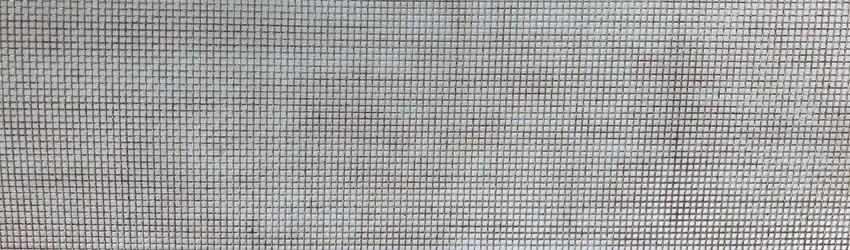
Tea staining refers to a slow-forming corrosion that appears as a brownish discoloration on stainless steel surfaces. It occurs when the steel’s protective oxide layer is compromised, often due to chloride exposure in the environment. Although tea staining does not typically affect the strength of the steel, it can impact appearance and lead to maintenance challenges.
Tea staining is also known as or often referred to as:
- Coastal corrosion
- Brown spots or marks on stainless steel
As tea staining is a form of slow corrosion, it is not considered a structural concern for the asset, but it does require attention to maintain the stainless steel’s visual appeal.
Why Does Tea Staining Occur?
Stainless steel owes its corrosion resistance to a thin, protective oxide layer. When chlorides, commonly found in saltwater or coastal air attack this layer, they initiate pitting corrosion, which gradually exposes the base metal. This process results in the characteristic tea-coloured staining.
The presence of sea salt on the surface of stainless steel is the major cause. Salt stays “wet” and corrosive until very low humidity levels are reached. Tea staining can also occur in polluted urban environments, where contaminants combine with moisture to accelerate corrosion. Indoors, tea staining is rare because of the clean environment and low humidity.
A Simple Guide to the Environment and Grade selection to minimise Tea Staining
Not all stainless steels are created equal. Different grades offer varying levels of resistance to tea staining. Stainless steel grades have different strengths of the protective oxide layer and the chemical composition of the stainless steel grades are designed to promote the protective oxide layer. Stainless Steel Wire & Mesh is available in the following grades:
- Grade 304 – Suitable for areas with no chloride exposure.
- Grade 316 – Commonly used for coastal environments with moderate chloride levels. Recommended within 5 km of surf or 1 km from sheltered coastal waters.
- Grade 2205 – Ideal for chloride-wetted locations.
- Grade 2507 – Best for fully submerged applications with high chloride exposure.
Choosing the most appropriate grade is the first step in minimising tea staining and ensuring long-term performance.
Important: Tea staining can occur up to 20 km inland from the coast, depending on environmental factors such as pollution, wind exposure, rain sheltering and higher temperatures. Always consider your application and environment when specifying stainless steel.
How Does Tea Staining Occur?
The Role of Chlorides and Pitting Corrosion
Chlorides penetrate the oxide layer, creating tiny pits (pitting corrosion) with the chromium. This slowly removes the protective oxide layer and allows the chloride to react with the base metal. If left untreated this pitting corrosion creates a rough surface on the steel where more chlorides and impurities can collect which continues the corrosion leaving the tea coloured surface on the steel.
Why Welds Are Vulnerable
Welded areas often show tea staining first because welding alters the steel’s surface chemistry, reducing chromium levels and weakening the oxide layer. Using appropriate grades and surface finishes can minimise this risk.

Factors That Accelerate Tea Staining
Several conditions can speed up tea staining:
- High chloride levels eg coastal locations
- Elevated temperatures and high humidity eg tropical locations
- Contaminants like acids or bleach
- Frequent abrasion or movement of materials
- Contact with dissimilar metals
- Rain-sheltered areas such as undersides of roofs or building shadows
- Poor drainage or designs with grooves and crevices that trap water
Understanding these factors helps you take proactive steps to protect your stainless steel.
Factors That Accelerate Tea Staining
Grade Selection and Surface Finish
- Select the most appropriate grade for your environment, eg 316 for coastal areas, 2507 for submerged applications.
- Ensure the surface finish is appropriate for the application, eg opt for smoother surface finishes, which are less likely to trap contaminants.
Cleaning and Maintenance Tips
Stainless steel is low maintenance, not no maintenance. Regular cleaning is essential:
- Wash with a warm water and detergent mixture, then dry with a microfibre cloth.
- Remove dirt, salt, and other contaminants frequently.
- Allow natural rainwater rinsing or wash manually to remove chlorides.
- Implement a cleaning schedule based on environmental exposure.
Environment | Grade 304 | Grade 316 |
|---|---|---|
Source: adapted from ASSDA | ||
Clean Inland | 3 – 6 months | 6 – 12 months |
Polluted urban/Industrial | Not suitable | 6 – 12 months |
Coastal/Marine (not splashed) | Not suitable | 6 – 12 months |
Tip: When you wash your windows, wash your stainless steel too!
- Regularly remove dirt, salt, and other contaminants.
- Allow natural rainwater rinsing or wash manually to remove chlorides.
- Implement a cleaning schedule based on environmental exposure.
Consistent cleaning helps the oxide layer repair itself, reducing the risk of stainless steel corrosion and tea staining.
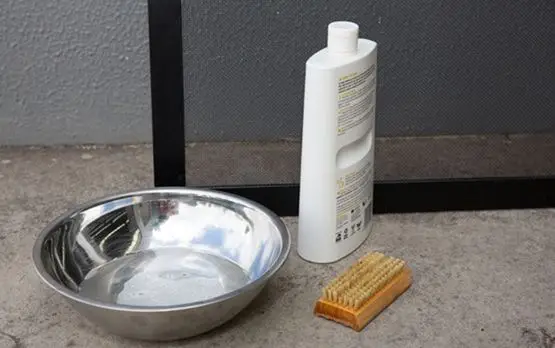
For further information please visit our Cleaning, Care & Maintenance page.
Advanced Finishing Options
For architectural or external applications where appearance matters, consider pickling, passivation, and electro polishing which are treatments that can be applied to the surface of stainless steel to remove contaminants and help with the creation of a constant chromium-oxide, passive film. Using these finishes will reduce the risk of tea staining.
- Pickling: Removes heat-affected layers and prepares the surface for passivation.
- Passivation: Passivation is a process which can be performed on its own, or after pickling. The surface is treated with an oxidizing acid, to dissolve carbon steel & sulphide, and remove iron and other contaminants from the surface. When done correctly, passivation does not affect the appearance of the stainless steel.
- Electropolishing: An electrochemical process that removes imperfections and increases corrosion resistance, leaving a bright finish. It is an electrochemical solution that removes the outer layer of the surface material, as part of the process it also therefore removes contaminants, heat tint, oxide scale, burrs, micro abrasions, pits, and other imperfections.
Fabricating with Stainless Steel
When fabricating stainless steel wire or mesh, avoid contamination from carbon steel, uncleaned welds, and chemical fumes (eg hydrochloric acid or bleach). These can cause staining unrelated to tea staining.
Protect Your Stainless Steel Investment
Tea staining is common but manageable. By selecting the most appropriate grade, maintaining a proper surface finish and following a cleaning routine, you can keep your stainless steel looking pristine for years.
For further Technical Information refer to ASSDA’s FAQ
Australian Stainless Steel Development Association (ASSDA)
Technical FAQ No 6 – Preventing Coastal Corrosion (tea staining)
Ready to protect your investment?
Our technical sales team is here to help, with many years of industry experience they can provide solutions to your problems whether it’s stainless steel:
Rember to consider your grad selection, environment and design to keep your stainless steel assets performing at their best!